
Categories
Competition Categories
The International Current Affairs Competition is open to students in Grades 1 to 8. The Syllabus and difficulty level are age-appropriate. Ensuring a fair and engaging learning experience for every participant.
Syllabus
What's in the Syllabus?
Every Grade has 5 sections an equal number of questions will be asked in each section in the exam.

Grade 1-2
- Famous Personalities (simple identification)
- International Sports (Olympics, World Cup)
- Popular Cartoons and Animated Characters (Mickey Mouse, Dora, etc..
- Animals and Their Habitats (polar bears in the Arctic, lions in the savannah)
- Children’s Literature and Books (like fairy tales, famous children’s authors)

Grade 3-4
5 sections | 35 Marks| 35 Questions | 60 Min
- Important World Leaders
- Countries and Capitals (with recent changes)
- Space Discoveries (space missions, astronauts)
- Science and Technology Innovations (simple examples)
- Key Global Events (natural disasters, new findings)

Grade 5-6
5 sections | 35 Marks| 35 Questions | 60 Min
- Political and Social Leaders (recent elections, leadership changes)
- Major Global Conferences (climate, education summits)
- Recent Scientific Innovations (AI, health-related research)
- Significant World Events (natural disasters, international collaborations)
- Sports Tournaments (World Cup, Olympics, international events)

Grade 7-8
5 sections | 50 Marks | 50 Questions | 60 Min
- Geopolitical Changes (recent conflicts, treaties, global shifts)
- Technological Advancements (AI, space missions, renewable energy)
- Climate Change (global efforts, major environmental milestones)
- Global Economy (important trade agreements, inflation, world markets)
- Economic Organizations (World Bank, IMF, United Nations)
International Curriculum Guide
Which Competition Category Is Right for My Child?
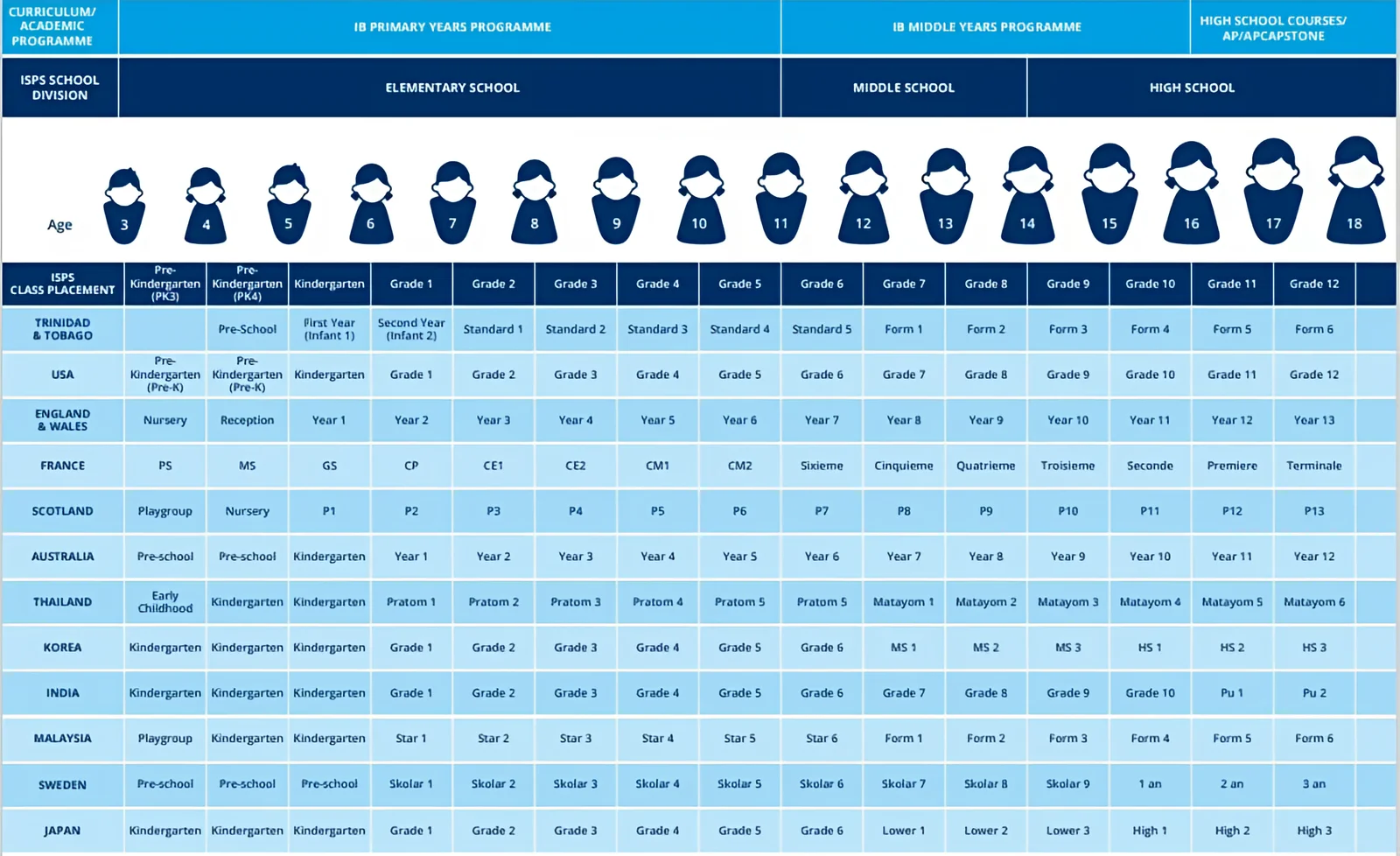
Students may study under different national and international education systems. To make participation easier for parents, schools, and teachers. The table below provides a reference for understanding how different curricula and school systems correspond to the age and grade structure used for the International Current Affairs Competition.
Use your child's age, current class and curriculum to identify the appropriate competition category.
Curriculum & Academic Programmed
The following reference table shows different international school systems, national curricula, and academic programmes, along with their corresponding school stages and grade levels.
What Will Students Learn?
Students will explore a wide range of engaging, age-appropriate topics to help them understand the world and develop critical-thinking skills.
Global Events
Discover important events and developments from around the world.
Famous Personalities
Learn about influential leaders, personalities, and people who have made an impact.
Science & Technology
Explore discoveries, innovations, and technological advancements.
International Sports
Understand major sporting events. Tournaments and international competitions.
Environment & Climate
Build awareness of environmental issues and climate-related developments.
Critical Thinking
Develop curiosity, awareness, and independent thinking through current affairs.
Learning That Grows With Every Grade
Children’s understanding of the word develops as they progress through school. That’s why the competition uses different categories for different grade groups – from familiar topics in the early grades to more advanced global developments in the higher grades.
- Age-appropriate content
- Progressive difficulty level
- Fair and engaging competition for all
- Builds knowledge step by step

More Than a Competition
The competition helps students develop important life skills while learning about the world.
Age-Appropriate Learning
Structured according to the student’s academic level.
Global Awareness
Understand people, countries and events beyond their surrondings.
Curiosity & Knowledge
Encourages students to ask questions and explore new subjects.
Healthy Competition
An opportunity to test knowledge. Challenge yourself and measure progress.